As an entrepreneur, I believe that the power of capitalism can effectively achieve scalable change. It ultimately enables us to achieve the full breadth of human potential. I am also keenly aware of the damage that untethered capitalism can inflict, and why I find the concept of ‘conscious capitalism’ powerful and captivating.
The tenets were laid out in a 2013 book by John Mackey and Rajendra Sisodia: Conscious Capitalism: Liberating the Heroic Spirit of Business. It articulated a vision of empowered people doing good. The premise is that businesses should serve a wider set of stakeholders than shareholders. They should work in a way that creates rather than destroys value and they should strive to help others find empowerment and self-fulfilment.
Those who develop technology need to do so for the greater good. We are not here simply to make money. We want to make the world a better place and leave a legacy for our future generations.
In 2020 at the ABLF Talks event at the Dubai Cares Pavilion, I met Giuseppe Saba, CEO of the International Humanitarian City (IHC), backstage. We connected immediately around his vision for the project. The IHC, based near Al Maktoum Airport in Dubai, is the largest humanitarian hub in the world spread over 135,000 square metres. Founded in 2003, it comprises a sophisticated logistics function which allows it to execute relief operations around the world.
I knew immediately this could make a large impact, and importantly with the most efficient utilization of our efforts to democratize machine learning (ML) and Ai, which are increasingly the tools required for organizations of all kinds to scale. Our vision for this project is for a worldwide humanitarian relief platform that connects the work of organizations like the IHC, manufacturers, logistics companies and people in need, intelligently and with maximum impact.
By using Ai in the humanitarian space, we could quickly optimize relief efforts with co-ordinated manufacturing of needed materials and products, and allow for proactive assignment of resources so that relief is delivered quickly and effectively.
An AI-driven solution could, for example, analyze weather, seismic, and a range of other data to predict natural and human catastrophes and allocate and manage resources proactively. It could identify local manufacturers and pre-empt order supplies, and connect those with communities by intelligently allocating logistical capacity.
Another formative influence has been the work of the Dubai Future Foundation. Many of the world’s problems stem from our collective unwillingness to prioritize future readiness and sustainability over short-term gain. The work of the Future Foundation provides a vision of a thoughtful and creative relationship with the future and the world we seek to build.
Building this future is not dependent solely on technology. We need the skills and perspectives that will direct that technology to be used effectively and for good.
Our company has signed up to the Playbook Academy – a network that accelerates career growth for women through expert classes and an inclusive community. We have sponsored lifetime memberships for all our female employees, and a total of 400 scholarships for young women.
The ethos of scalable impact is evident in our alignment with the UN Sustainable Development Goals (SDGs). We held each of those SDGs up against our tech stack, and we were inspired by the potential that exists to create value. There is potential within each of the 17 goals for organizations – government and private sector – to use AI and ML to expand their ambitions towards making a real impact.
Technology is an enabler: of people, processes and other technology. It is also going to be an enabler of good. Businesses should not be just about making money. It’s also about bringing talented people and cutting-edge technologies together to improve lives and ultimately our planet.
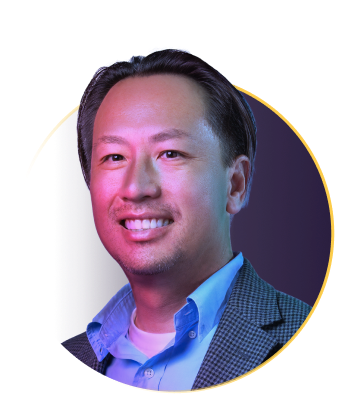
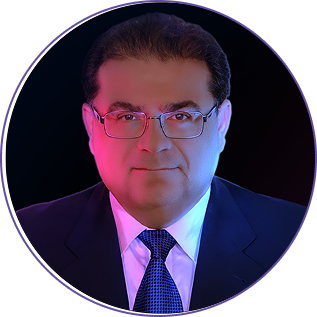
An innovative, multilingual CEO with over 25 years’ experience leading organizations by providing exceptional business transformation services and cutting-edge solutions. Ability to create and establish robust strategic direction. Trusted advisor to partners in multinational corporations in petroleum and natural gas, chemical manufacturing, power and utility, and water and wastewater treatment industries. Proven leader with the ability to drive strategic short and long-term plans, shifting priorities, and delivering compelling collaboration skills that foster strong relationships with internal and external stakeholders. Influential in nature, with excellent presentation and communication skills.
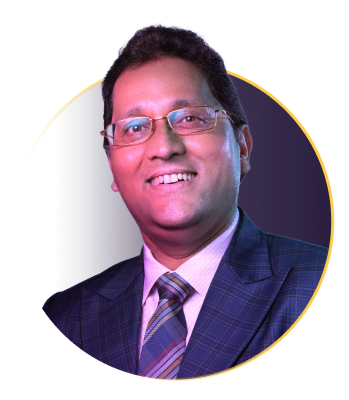
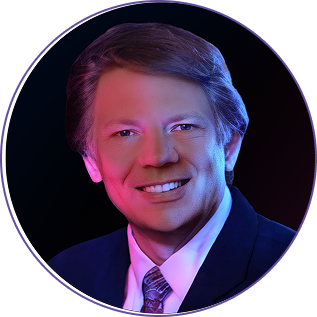
Lane Sloan is a 30-year veteran of the oil and gas industry and comes from a long and distinguished career with Shell Oil. During his tenure, Mr. Sloan was a member of Shell’s senior management, and served at various times as general manager of products for finance, vice president of corporate planning, chief financial officer and VP Business Services, regional coordinator for Far East, director of East Zone Oil Products, and president of Shell Chemical Company.
After leaving Shell, Mr. Sloan joined SAIC, an IT and engineering consultancy headquartered in San Diego, California, as executive vice president in charge of energy activities. He was subsequently named CEO of SAIC’s joint venture with Halliburton in Grand Basin.
Mr. Sloan later became an executive professor at the University of Houston, where he taught leadership, corporate strategy, and energy courses. He also served as executive director of University of Houston’s Global Energy Management Institute. Today, he is a Silver Fox Advisor and president of Sloan Consulting Services, where he mentors entrepreneurial CEOs.
Mr. Sloan has a bachelor’s Degree in Business and a Master’s in Management Science, both from the University of Colorado. He also has a Master’s in Accounting and a Master of Business Administration from the University of Houston. He has co-authored Terra Incognita: A Navigation Aid for Energy Leaders and authored Develop a Leadership Plan: Become a Great Leader.
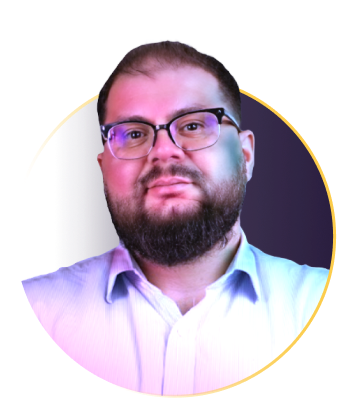
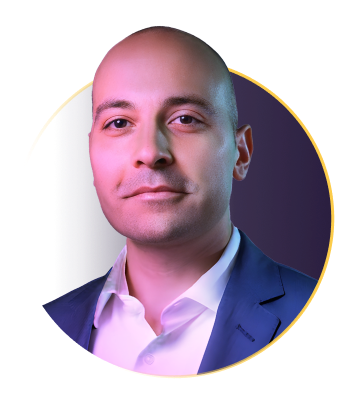
Mohammed was one of the founding members of the Digital Transformation Project Management office at Saudi Aramco, which oversees the key business initiatives under the company’s 4th Industrial Revolution program. A 20-year veteran of the IT industry, Mohammed started as a software developer delivering applications in knowledge management and systems integration. He earned his bachelor’s degree in computer science from Tulane University and his MBA from Strathclyde University.
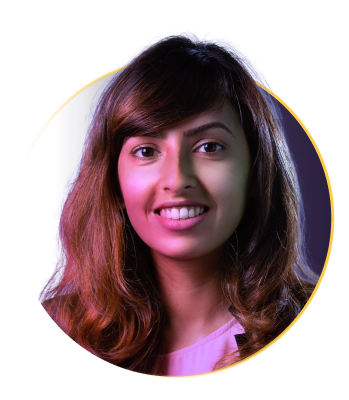
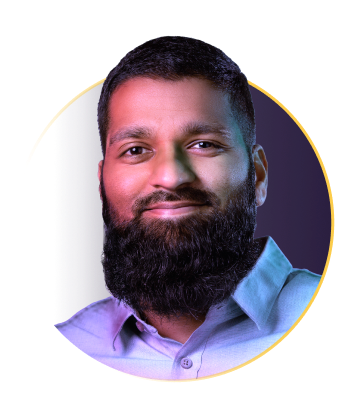
Sufyaan has built management systems and environmental monitoring solutions for a variety of industries, including energy and security. He is a certified project manager (PMI) and an active member of the Institute of Electrical and Electronics Engineers (IEEE) and Building Industry Consulting Service International (BICSI), which supports the advancement of information and communications technology. Sufyaan earned a Bachelor of Engineering in electronics and instrumentation from Birla Institute of Technology & Science and a Master of Science in electrical engineering from George Mason University.